
Asphalt vs Concrete Driveways: Which Is Better for Michigan?
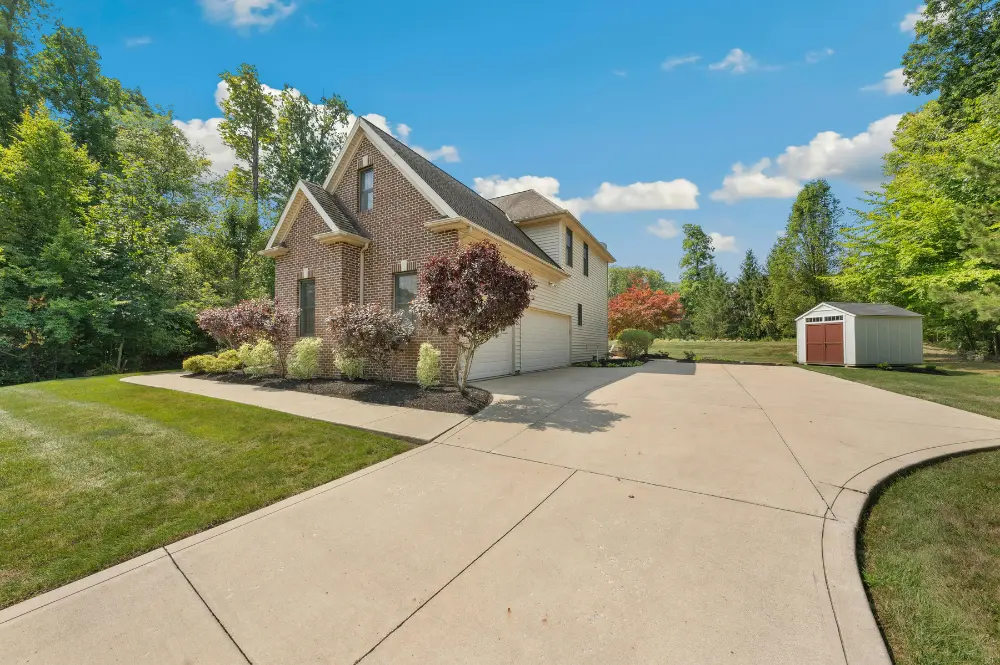
Two houses, same subdivision, built the same year. One has an asphalt drive. One has a concrete driveway. Both homeowners are certain they made the right call, and honestly, they both might be right.
The asphalt vs concrete driveway question comes up on almost every residential driveway estimate we write. People expect us to have a favorite. We install both, so we don’t get to be picky about it. What we do have is a couple of decades of watching how each material behaves in Southeast Michigan, where the ground freezes, thaws, refreezes, and generally does whatever it feels like between November and April.
So let’s walk through it the way we would if we were standing in your driveway with a tape measure.
The Short Version, For People Who Are Busy
Asphalt driveways cost less up front, go in fast, handle ground movement well, and need regular maintenance to reach a full lifespan. Concrete costs more, takes longer to install and cure, offers a longer lifespan when it’s built right, and is less forgiving about salt and shortcuts.
If budget decides it, asphalt usually wins. If you’re staying put for twenty-five years and you want a lighter surface with more finish options, concrete earns its price.
Everything below is the detail behind those two paragraphs.
What You’ll Actually Pay Per Square Foot
Cost is where most conversations start, so we’ll start there too.
Around here, asphalt installation costs typically land between $4 and $8 per square foot. Concrete costs generally run $8 to $15 per square foot, and a decorative concrete finish like stamped concrete or exposed aggregate pushes it higher. That’s a real gap. On a standard two-car driveway, the asphalt driveway cost compared to concrete often works out to a few thousand dollars.
Driveway size matters more than the per square foot number suggests. A long rural drive multiplies the gap fast, which is why most properties with 100 feet of frontage to cover end up choosing asphalt.
But the number on the estimate isn’t the whole story, and any contractor who tells you otherwise is skipping a step. Long term costs include what happens after we drive away. Asphalt repairs and crack repair are inexpensive and routine. Concrete repairs cost more when they’re needed, and a failed slab usually means replacement rather than patching.
A quick way to think about overall cost: asphalt spreads its expense across the years, and concrete front-loads it.
One more thing about pricing. Site conditions move the number more than people expect. Removing an old surface, correcting bad slope, rebuilding a base that was never right in the first place, adding drainage where water currently pools against your garage apron. Labor costs and material costs are the easy part of an estimate. Two driveways that look identical from the street can price out very differently once you know what’s underneath them.
How Long Each Material Lasts
A well-built asphalt driveway in Michigan will generally give you 15 to 20 years, sometimes more with proper maintenance. Concrete commonly runs 25 to 40 years.
Those numbers assume something important; both paving materials depend almost entirely on what sits beneath them. A properly compacted aggregate base, usually 6 to 8 inches for residential work with drainage designed into the grade, does most of the structural work. Skip it and the material’s durability stops mattering. The ground moves, the surface follows, and you’re making phone calls in year four.
We’ve torn out eight-year-old concrete poured directly onto soft, uncompacted soil. We’ve also seen twenty-two-year-old asphalt that still looked respectable because somebody built it correctly and sealed it on schedule. Material choice matters. Base preparation matters more.
Heavy loads change the math too. If you park an RV, a loaded work trailer, or a dually in the same spot year-round, concrete’s structural integrity gives it an advantage. Asphalt is a flexible pavement, and constant point loads in hot weather can leave depressions. We can build asphalt thicker to handle heavier vehicle traffic, and we often do, but it’s worth telling us about the RV before we write the estimate rather than after.
Michigan Winters: The Part That Separates Them
Here’s where the comparison gets interesting for anyone living in cold climates.
Asphalt flexes. When frost lifts the ground beneath it, asphalt has some ability to move and settle back without shattering. Freeze thaw cycles are the main reason we lean toward it on properties with unstable soil. It’s also a dark surface, so it absorbs heat and sheds snow noticeably faster on a sunny February afternoon, which helps with ice. Road salt doesn’t bother it, and plow blades don’t catch it the way they can catch a raised concrete joint.
Concrete is rigid. It doesn’t flex, it cracks, which is exactly why we cut control joints during installation. We’d rather decide where the cracks go than let the slab decide for us.
Concrete’s real problem in snowy winters is chemistry. Deicing salts, especially calcium chloride and magnesium chloride, attack the surface and cause scaling and spalling over time. Air-entrained concrete mixes are formulated to resist damage from freezing temperatures, and they help considerably, but no mix enjoys being salted every winter for thirty years.
The advice we give every concrete customer: use no deicer at all on new concrete through its first winter. Sand gives you traction without the chemistry. That one habit adds years to the surface.
Cold weather also limits when we can pour. Concrete needs protection below about 40 degrees, and asphalt needs warm enough ground to compact properly. Late fall projects get scheduled around cold temperatures, not around wishful thinking.
Summer Isn’t Free Either
Michigan gets about three to eight weeks a year that feel like a hot climate, and asphalt notices. High temperatures soften the binder, which is when scuffing from sharp-turning tires and kickstand dents tend to show up. Plain asphalt also oxidizes under UV exposure, fading from black toward gray as it ages.
Concrete shrugs off hot temperatures once cured, though it will expand, which is another job the joints handle.
Neither issue is a reason to rule out a material. It’s a reason to know what you’re signing up for.
Maintenance Requirements, Honestly Described
Asphalt requires attention.
The first sealcoat goes on roughly 6 to 12 months after installation, once the surface has fully cured. After that, plan on every 2 to 4 years depending on sun exposure and traffic. Frequent sealing is the trade for the lower install price, and skipping it is the single most common reason we get called out to driveways that failed early. Cracks should be filled while they’re narrow, because a quarter-inch crack is a cheap afternoon and a two-inch one is a repair.
Concrete has minimal maintenance needs by comparison. Keep the joints clean, consider a penetrating sealer every few years to slow salt absorption, and stay off the edges with heavy equipment. Edges are where concrete gets hurt.
Neither surface is maintenance-free. Asphalt is just louder about reminding you.
Curb Appeal and Property Value
Asphalt gives you one look: clean, dark, uniform. It’s sharp when it’s fresh, and a good sealcoat brings the color back.
Concrete opens up more choices for visual appeal. Broom finish, exposed aggregate, stamped concrete, integral color, decorative borders, a soldier course of brick pavers along the edge. It stays lighter in tone, which suits some brick and siding combinations better. If the driveway is the first thing visitors see, concrete has more range to work with.
Real estate professionals will tell you a cracked, patched surface drags down overall property appeal no matter how good the house looks behind it. Either material adds to property value when it’s installed well and maintained. Neither one saves a driveway that’s been ignored for fifteen years.
Worth knowing: concrete shows stains. Oil drips, rust from a garden cart, leaf tannins in the fall. Asphalt hides all of it without trying.
Installation Timelines and When You Can Drive On It
This one surprises people.
Asphalt is quick. Most residential driveways go down in a single day once demolition and base work are finished, and you can typically drive on it within 24 to 72 hours. Give it a full season before parking heavy loads in the same spot daily, and avoid turning the wheel while stopped during that first summer.
Concrete asks for patience on both ends. Forming and pouring takes longer, foot traffic waits about 7 days, and vehicles should stay off for roughly 10 to 15 days while the slab reaches design strength. Concrete gains strength by curing, not drying, so we water-cure or use curing compounds and we watch the forecast closely before a pour.
If you need a usable driveway this week, asphalt is your answer. If you can park on the street for 7-10 days, concrete’s timeline stops being an obstacle.
What About Gravel or Pavers?
A gravel driveway is still the most affordable option, and it makes sense on long rural drives where paving the whole run isn’t realistic. It also needs regrading, replenishment, and a tolerance for dust and plowing headaches. Most homeowners who call us about gravel want a paved apron near the garage and gravel beyond it, which is a perfectly sensible split.
Brick pavers look excellent and cost more than either asphalt concrete or poured concrete. They also allow individual units to be lifted and reset, which is genuinely useful. If a section settles, you fix that section.
One point in asphalt’s favor that rarely comes up: it’s one of the most recycled materials in construction. Reclaimed asphalt pavement gets milled, reheated, and reused, which is why asphalt projects often have a smaller disposal footprint than concrete removal.
So Which One Should You Choose?
Every property has a personality, and it usually points toward one answer.
Choose asphalt when the drive is long, the budget is firm, the soil has a history of movement, you plow aggressively, or you want the job usable in days instead of weeks.
Choose concrete when the driveway is short and highly visible, you want a decorative finish, you’re staying long term, the soil underneath is stable, and you’re willing to be disciplined about salt.
Plenty of properties get both. We’ve done concrete aprons and approach slabs with asphalt running the length of the drive. That puts the tougher material where the heaviest loads and tightest turning happen and keeps the overall cost sensible.
When we walk a property, we’re reading slope, where water goes now, how the soil behaves, how you actually use the space, and what the neighbors’ driveways say about ground conditions on that street. Then we give you a straight recommendation, including the one that pays us less if it’s the better fit.
Why Homeowners Call Sommerset
We’re a family-owned Michigan paving contractor and concrete contractor, and we’ve worked across Southeast Michigan long enough to know which subdivisions have drainage problems before we pull in.
You get one point of contact from the estimate through the final walkthrough. Same person, same phone number, no getting handed off to somebody who’s never seen your property. We show up when we say we will, we explain what we’re doing and why, and we clean up like people who expect to drive past the job again.
Our crews handle residential driveways alongside commercial parking lots, municipal roads, and government work. Experienced professionals with the specialized tools and the right equipment for both concrete and asphalt means we’re not steering you toward whichever material we happen to be set up for that week.
Where We Work
We serve homeowners and property owners throughout Southeast Michigan, including Oakland, Macomb, Wayne, Washtenaw, and Livingston counties along with the surrounding communities. Not sure whether you’re in our area? Ask. We’ll tell you either way.
Frequently Asked Questions
Is asphalt or concrete better for Michigan winters?
Asphalt handles frost movement better because it flexes rather than cracking, and its dark surface absorbs heat and clears snow faster. Concrete performs fine in cold temperatures but suffers from road salt over the years. Both hold up well when the base beneath them is built and drained correctly.
What’s the real cost difference between concrete and asphalt driveways?
Asphalt installation costs generally run $4 to $8 per square foot, while concrete ranges from $8 to $15, with stamped concrete and other decorative finishes costing more. Removal of the old surface, drainage work, and driveway size shift both numbers, so an on-site estimate is the only accurate figure.
Which has a longer lifespan?
Concrete commonly lasts 25 to 40 years and asphalt 15 to 20 with proper maintenance. Both depend heavily on base preparation, so a well-built asphalt drive frequently outlasts a poorly installed concrete one. Maintenance required is the other variable, and asphalt needs more of it.
How soon can I drive on a new driveway?
Asphalt is usually ready for vehicle traffic in 24 to 72 hours. New concrete needs about 7 days before foot traffic and roughly 28 days before you park on it, since concrete gains strength as it cures rather than simply drying out.
Can I use salt on a new concrete driveway?
Skip deicers entirely through the first winter and use sand for traction instead. After that, use them sparingly. Chloride-based products cause surface scaling over time, and a penetrating sealer slows that damage considerably in harsh winters.
How often does an asphalt driveway need sealcoating?
The first application goes on 6 to 12 months after installation, then every 2 to 4 years depending on sun exposure and how much traffic the surface takes. Staying on that schedule and filling cracks early is what prevents frequent repairs later.
Can you resurface my existing driveway instead of replacing it?
Sometimes. If the base is solid and the damage is limited to the surface, an asphalt overlay is a practical option. If cracks run deep, sections are sinking, or water pools on the surface, replacement is the honest answer. We’ll tell you which situation you’re in.
Talk With Our Team
Still weighing asphalt or concrete for your property? Have us take a look. We’ll walk the driveway, talk through what fits your budget and how you actually use the space, and leave you with a clear written estimate and no pressure attached.
Schedule your estimate and let’s settle the right material for your home.